
What Else Could Your Primary Product Become? Finding New Ways to Add Value
If you’re a primary producer, you probably know your product inside out. You know how to grow, harvest or produce it, what your customers want and what makes your product different. But have you ever wondered what else it could become?
A fruit grower may focus on selling premium fresh fruit, a beekeeper on honey, or a seafood producer on the primary catch. But there may be opportunities beyond the traditional product – from new foods and ingredients to new markets, higher-value applications or better uses for by-products and materials that currently have little value.
The question is not simply “What else can I make?” but “Could there be more value in what I already produce?”
Looking at what you produce differently
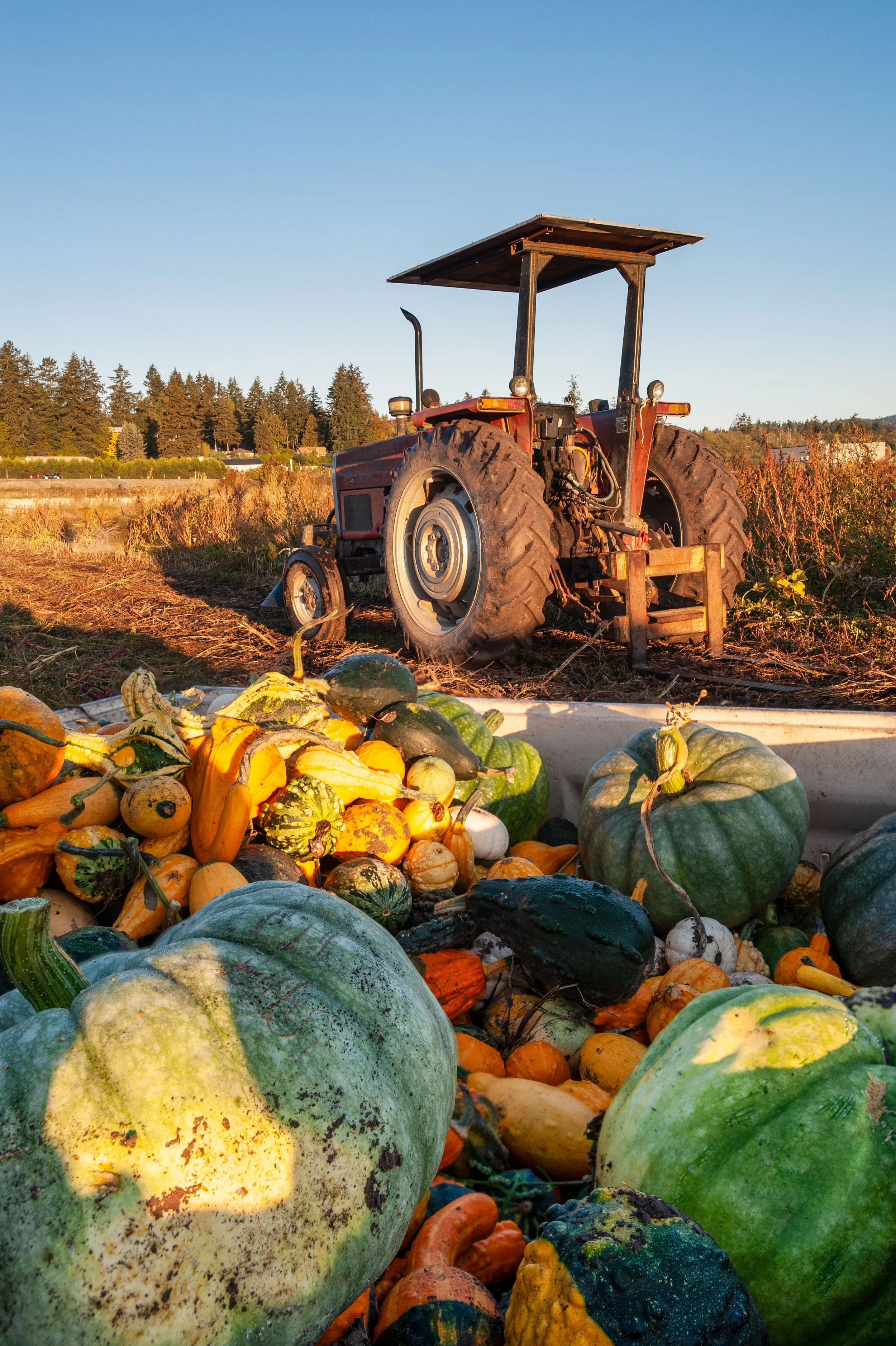
Sometimes finding that value means looking at your product through a different lens!
Its flavour, composition, nutritional characteristics or functional properties may make it useful in ways you haven’t considered. Processing technologies such as drying, fermentation, extraction or concentration can open up completely different product and market opportunities. Even surplus, lower-grade produce and processing by-products may be worth another look rather than automatically being treated as waste.
And value-adding doesn’t have to mean turning your produce into something highly technical or unrecognisable. Sometimes the best opportunity is much simpler: taking something you already produce and creating greater value through quality, provenance, processing, presentation or a new way of reaching customers. Depending on what you produce, the possibilities might include new foods and beverages, ingredients for other food manufacturers, functional foods, food-service products, export opportunities or even applications outside the food industry.
A good idea isn’t necessarily a good opportunity
Coming up with ideas is the easy part. Working out which ones are genuinely worth pursuing is much harder. An idea might sound exciting but have a small market, cost too much to manufacture, face regulatory hurdles or be difficult to differentiate from products already available.
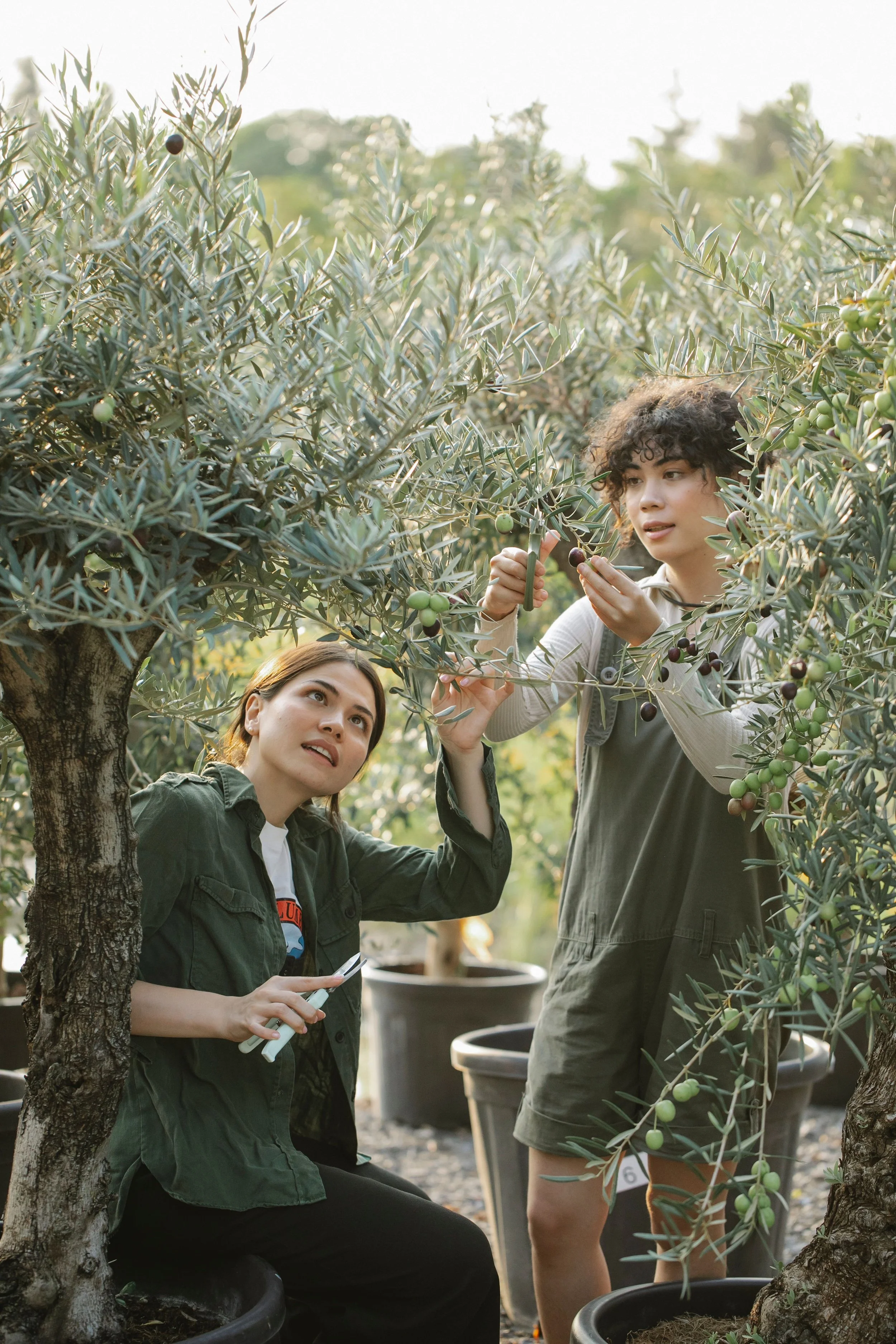
Looking more closely, however, might uncover something you hadn’t considered such as scientific evidence for a useful property, a new processing technology, a growing consumer need, an underused part of your production stream or a market that particularly values your product’s quality or provenance.
This is where science becomes particularly useful. It can uncover opportunities that aren’t immediately obvious but also rule out ideas before you invest significant time and money in them. For one producer, the best opportunity might be a premium extension of an existing product. For another, it could be a new ingredient, functional food, processing method, valuable use for a by-product or an entirely new market.
The aim isn’t to innovate simply for the sake of doing something new. It is to find realistic opportunities to create more value from what you already produce.
Interested in exploring what else your produce could become? Get in touch to discuss the possibilities.